CHERUBY Club|Horse Year, Knight Moves
Many artists have been drawn to chess; among them, Marcel Duchamp (1887–1968) is perhaps the most emblematic.
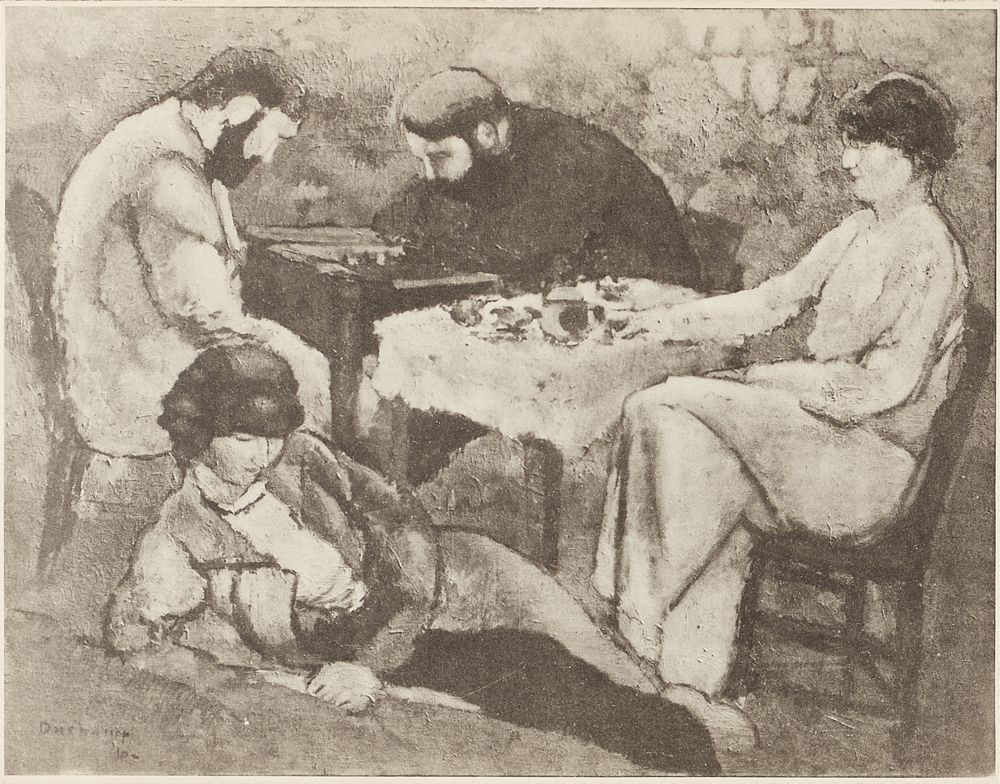
At the age of thirteen, guided by his two older brothers, Duchamp learned to play chess and soon made the board part of his daily life—studying manuals, analyzing master games, and meeting friends through play. For a time, he even seriously considered becoming a professional chess player, actively competing in leagues and representing France multiple times at Chess Olympiads organized by the World Chess Federation.
For Duchamp, chess was both a social practice and another form of artistic creation. His oft-quoted remark—“While all artists are not chess players, all chess players are artists”—has come to function almost as a manifesto. By the late 1920s, Duchamp announced his withdrawal from art-making altogether, devoting himself largely to chess. He became a regular at New York chess clubs, designed chess sets and game structures, and wrote chess columns for newspapers over many years. He openly described himself as “still a prisoner of chess,” drawn to a game that possessed all the beauty of art, yet resisted commodification.
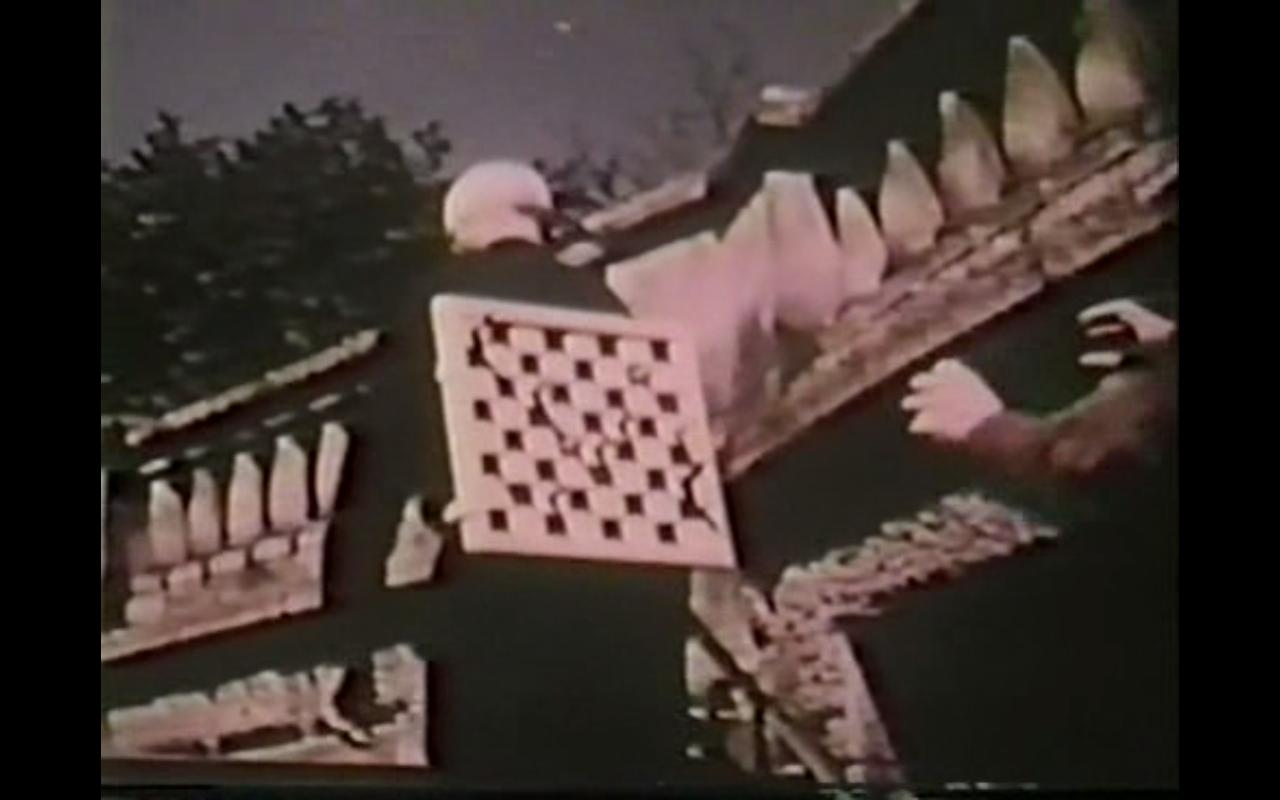
This fascination was by no means unique. Artists such as Salvador Dalí (1904–1989) and Man Ray (1890–1976) not only played chess, but also designed chessboards and pieces, repeatedly employing chess logic in their films and experimental works. The avant-garde film 8×8: A Chess Sonata in 8 Movements (1957) adopts the chessboard as its structural framework, bringing together Duchamp, French poet Jean Cocteau (1889–1963), German painter Max Ernst (1891–1976), and others. Organized into eight segments akin to musical movements, the film treats chess as a metaphorical system—an adult fairy tale oscillating between reason and absurdity, consciousness and the unconscious.
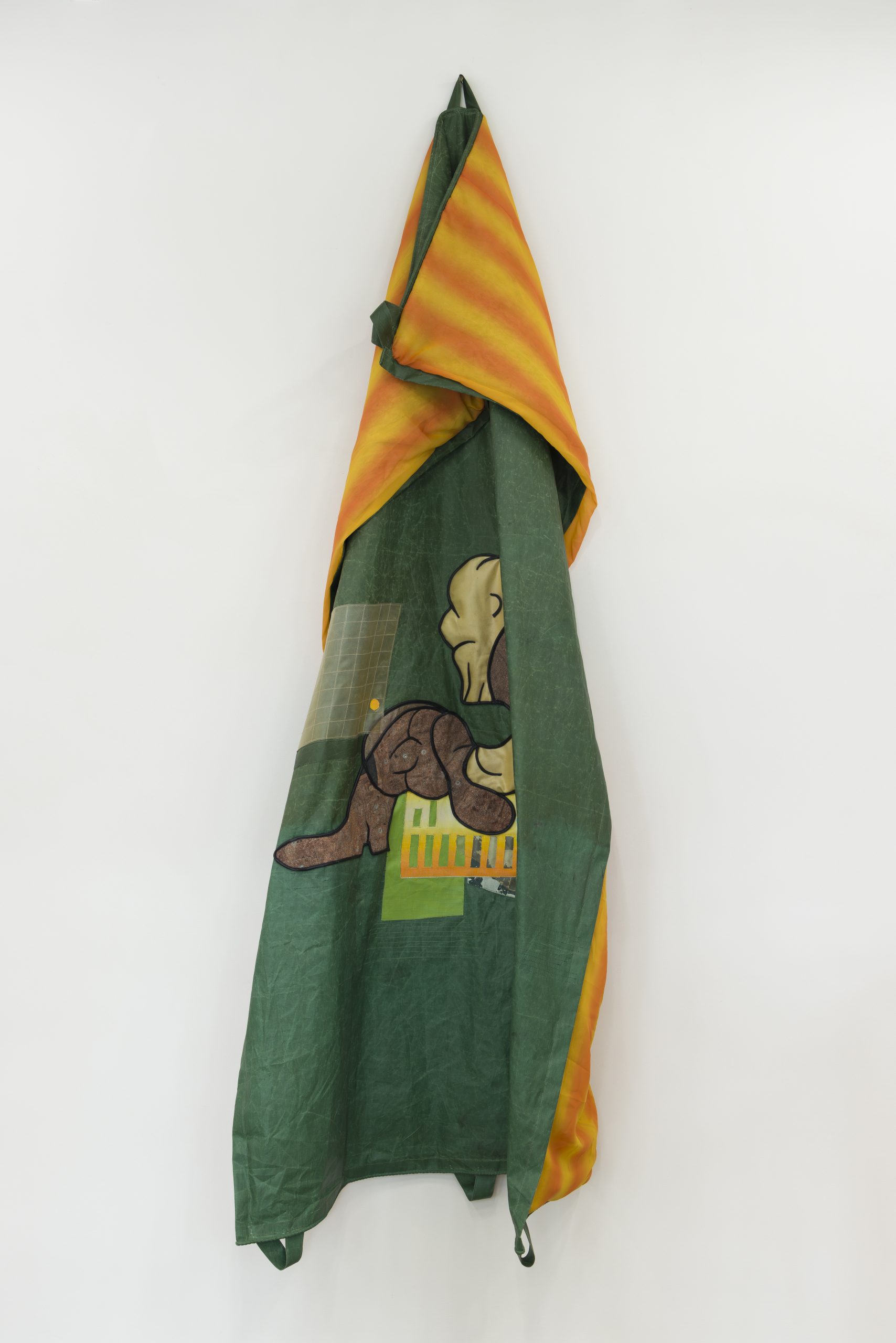
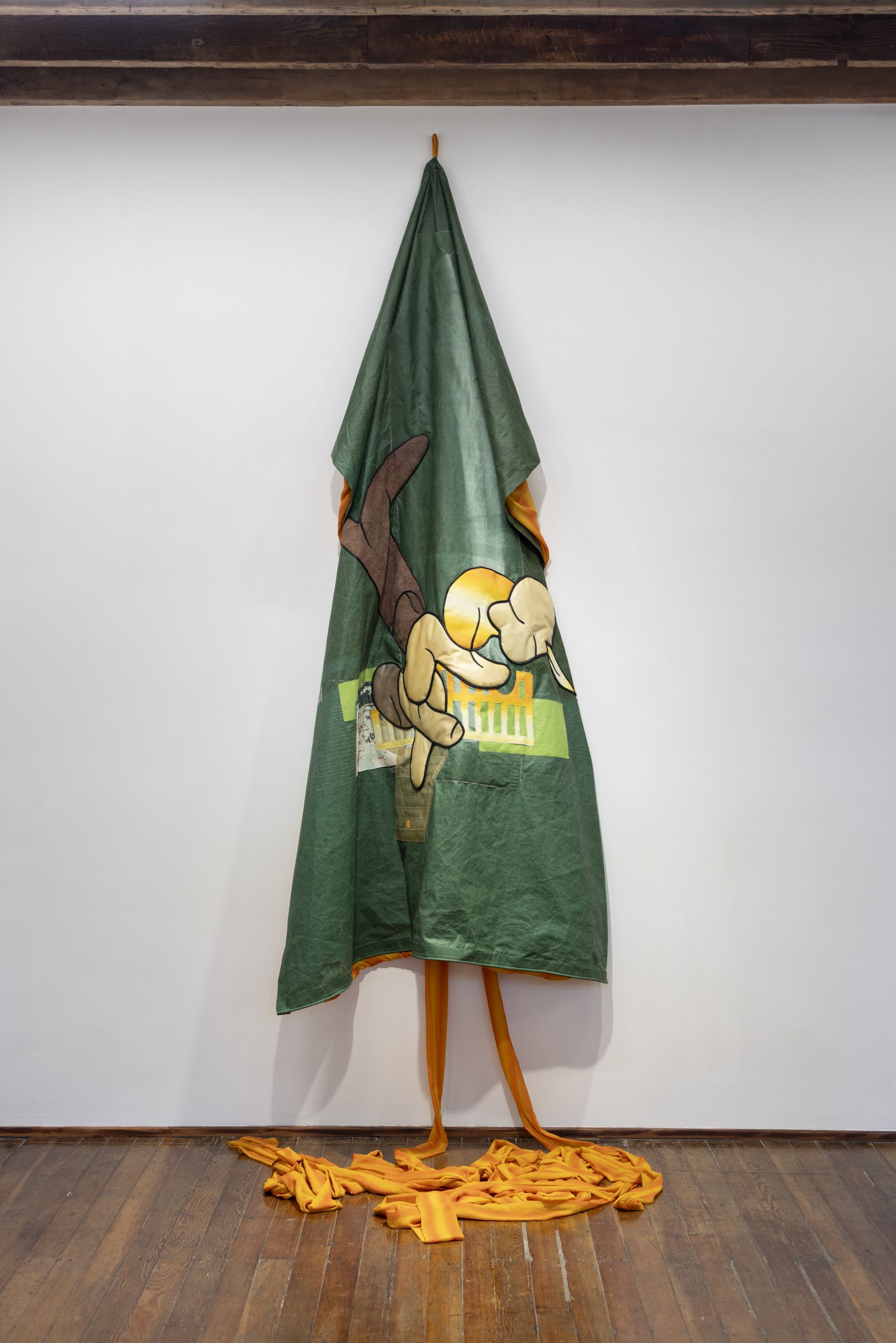
Bárbara Sánchez-Kane, an artist-in-residence at CHERUBY, also shares a deep affinity with chess. Playing regularly in daily life, he often engaged in online matches during his residency, allowing games and studio work to unfold in parallel. On one visit to his studio, he was in the midst of an online match—and lost the game after being distracted mid-play. This thread continues in his work One Step One View I & II, presented in Coro de Soles Menores. In One Step One View I & II, parts of the image are composed of a chessboard made of translucent parchment, inspired by an 8th-century Chinese fragmentary screen painting, Court Ladies Playing Chess (弈棋仕女图). The work is not nostalgic; it reflects a lived rhythm: move, pause, judge, continue. Much like the principle of “moving step by step, the view changes” in classical Suzhou gardens, a chess game unfolds space and relationships gradually, one move at a time.
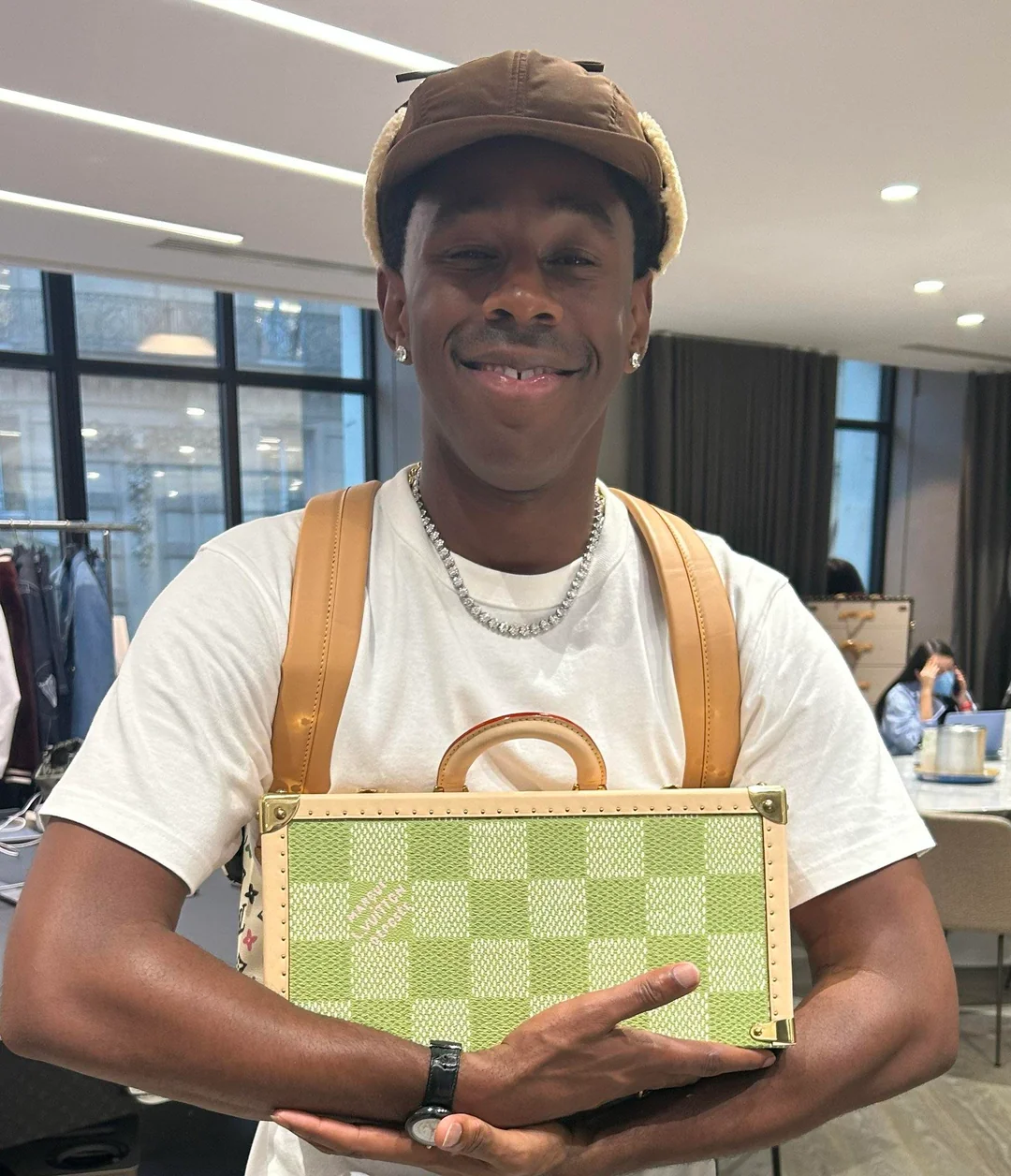
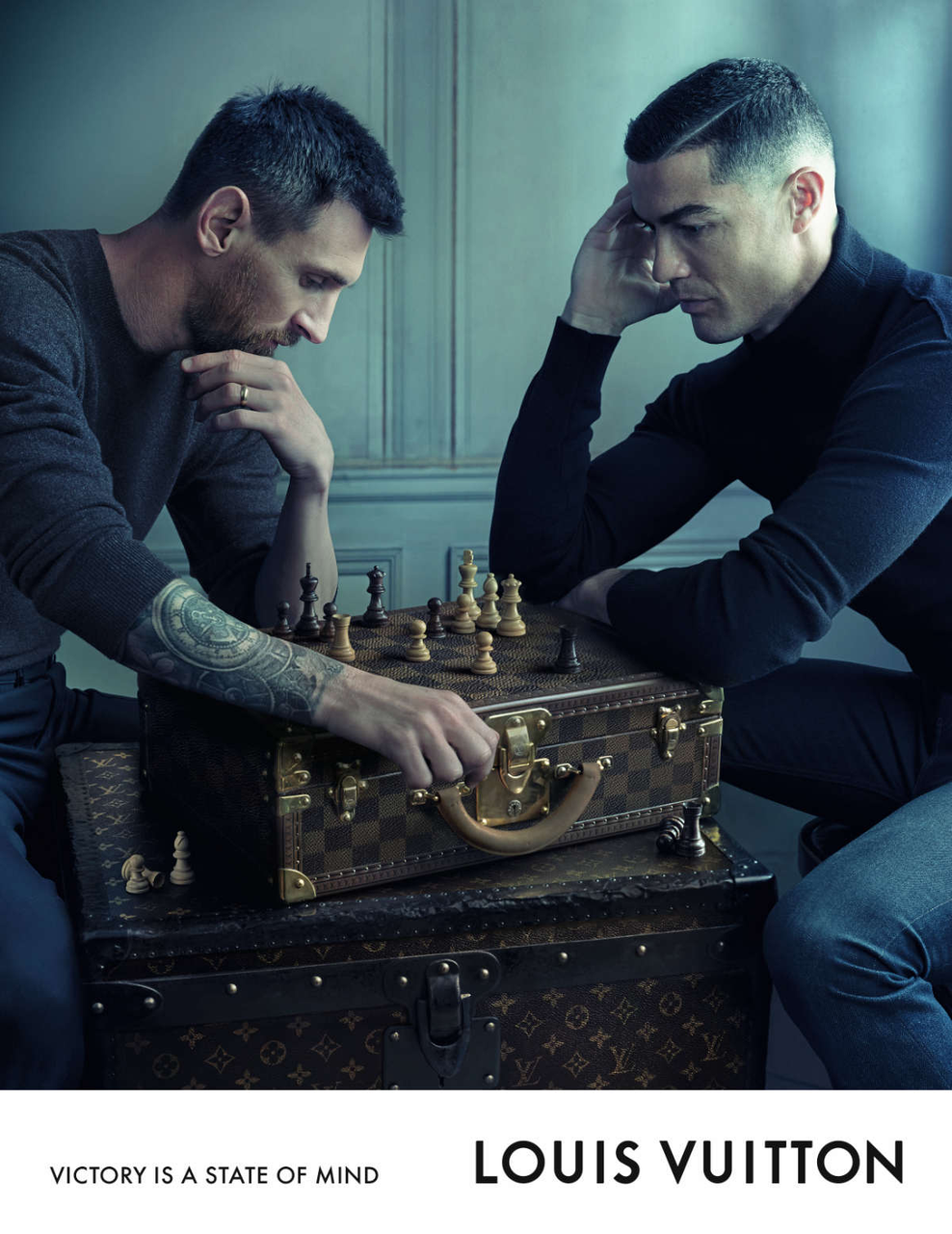
Chess has once again entered contemporary public life, resurfacing prominently in popular culture. At last year’s Coachella festival, Lady Gaga performed Poker Face on a giant chessboard stage, with dancers moving like chess pieces in a visually staged “game.” In recent years, American musician Tyler, the Creator has also become an avid chess player, often carrying a chessboard with him. From designing a chess set for Louis Vuitton to winning multiple matches at the recent FWI Chess Tournament hosted by Faye Webster, chess—like music for him—remains a practice of constant iteration and fresh openings. Louis Vuitton, too, has shifted the arena from the football field to the chessboard, staging a campaign in which Lionel Messi and Cristiano Ronaldo face off over a game of chess, accompanied by the line: “Victory is a State of Mind.”
It is within this context that CHERUBY invites NOT, a city-based cultural project centered on chess. Live chess games will take place in the center of the second-floor exhibition space, while the third floor—within the former artist studio used by Sánchez-Kane—will present rare collectible chessboards, master-signed boards, and artist-designed sets. Together, these elements trace the historical trajectories and evolving forms of chess.
In chess, the presence of the knight is no coincidence. Originating in Chaturanga, one of the earliest chess prototypes, the knight initially represented cavalry—mobile, agile, capable of traversing terrain swiftly. Unlike the slow advance of infantry, cavalry played a decisive role in breaking formations and launching surprise attacks. This military logic remains embedded in chess through the knight’s distinctive “jumping” move.
The knight is the only piece that does not move in straight lines. Rooks advance vertically and horizontally; bishops glide diagonally; the queen combines speed and force; pawns move step by step. All follow a logic of pathways, where the space between origin and destination must be occupied. The knight, however, leaps over intervening squares, bypassing obstacles to reach its target directly. It can enter enclosed structures and generate possibilities where none seem available. As such, the knight is not merely a tool for attack or defense, but a form of breakthrough capacity—a reminder that not all problems require direct confrontation; sometimes, detours and leaps are more effective.
— NOT
We see community as a structure in formation—not a fixed group, but a network of relationships temporarily assembled through shared experience. In the coming Year of the Horse, CHERUBY chooses to move like the knight’s “sun-shaped path” (ma zou ri): non-linear, non-occupational, leaping across spaces in the form of a club. Through ongoing collaborations with diverse collectives, we aim to open up more spaces for shared use.
The event will take place on January 24 at 13:00 in the second-floor exhibition space at CHERUBY. No reservation required.