
Minor Suns at Night: Volcanoes Film & Mulled Wine
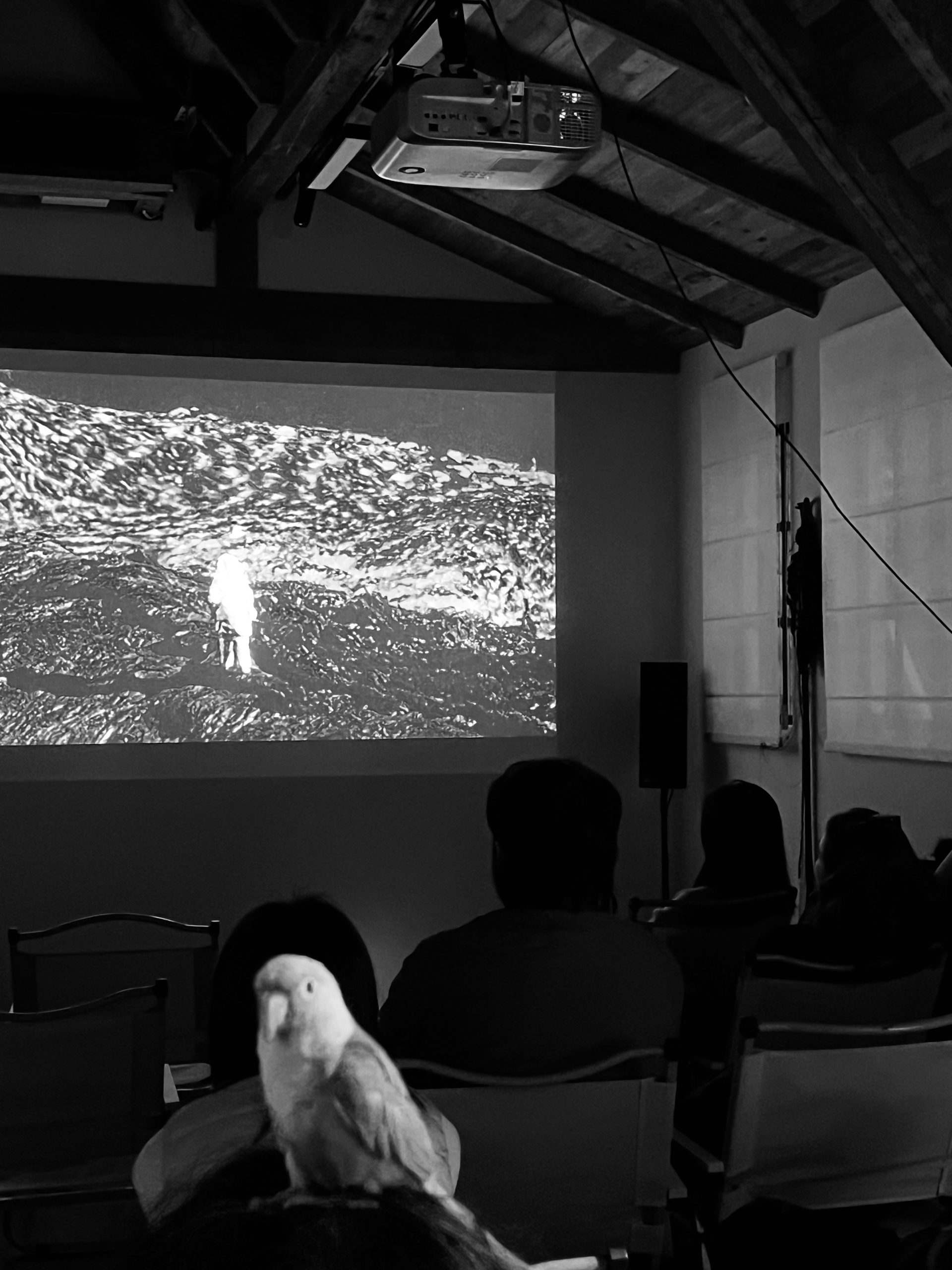
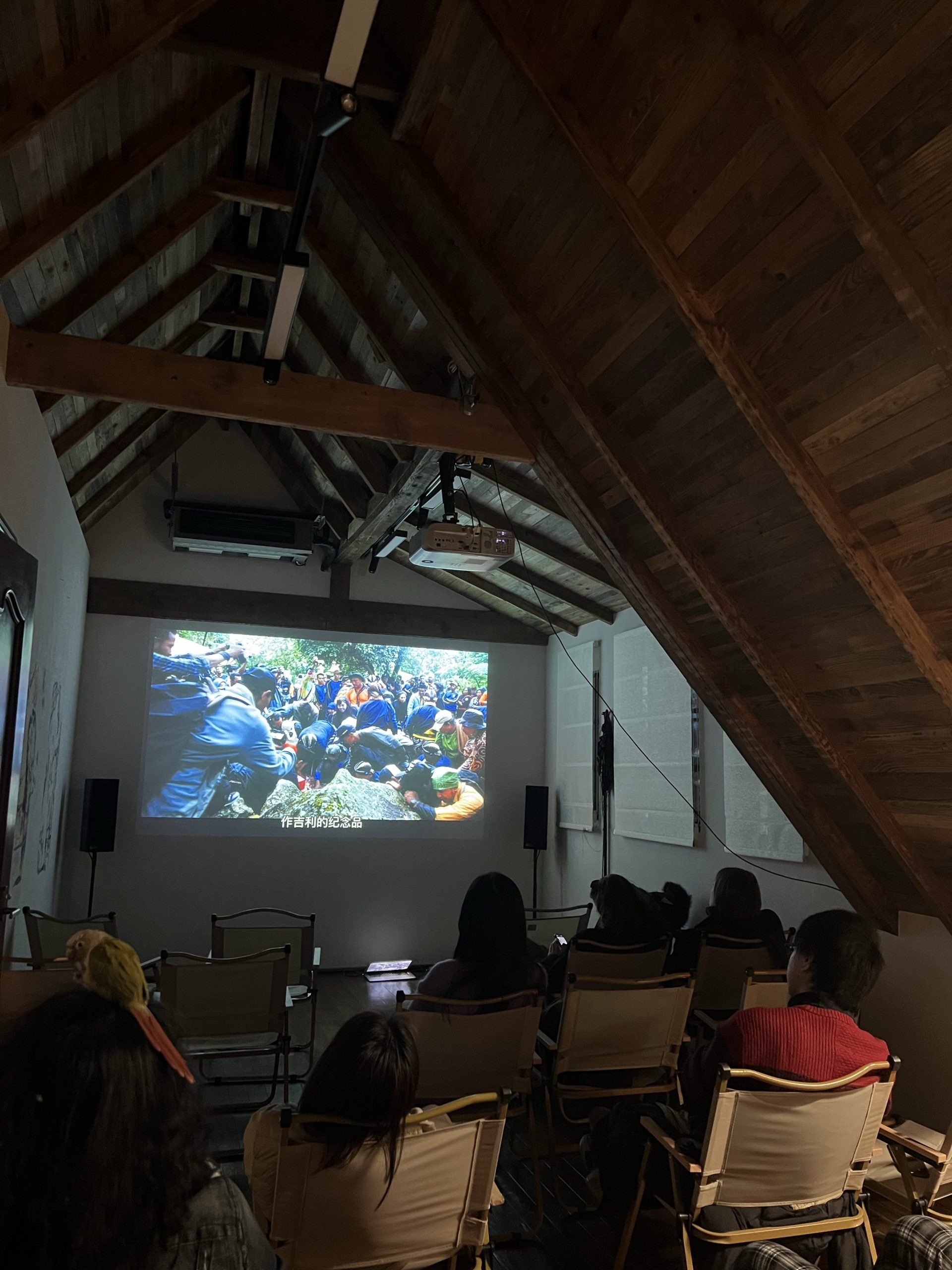
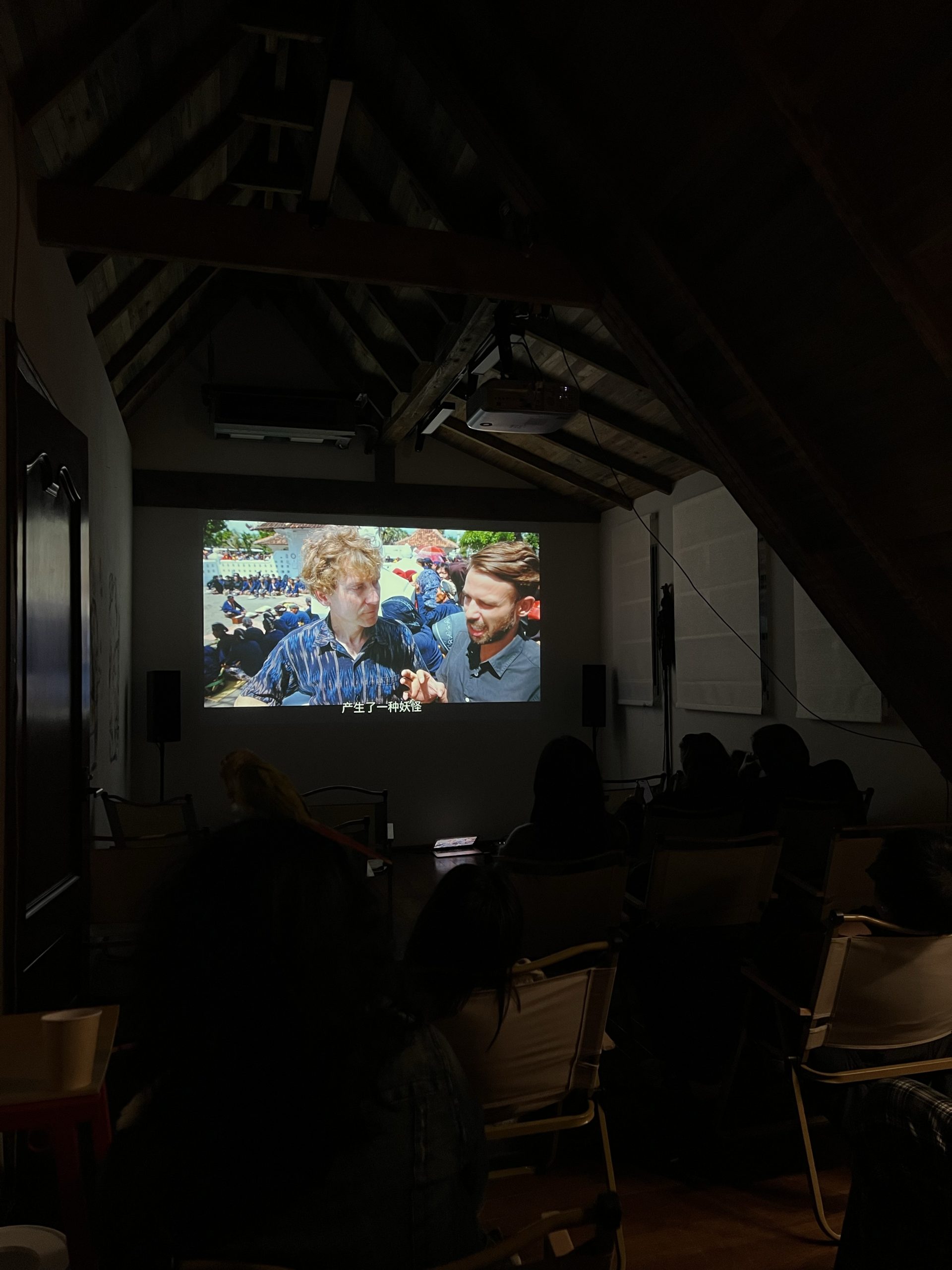
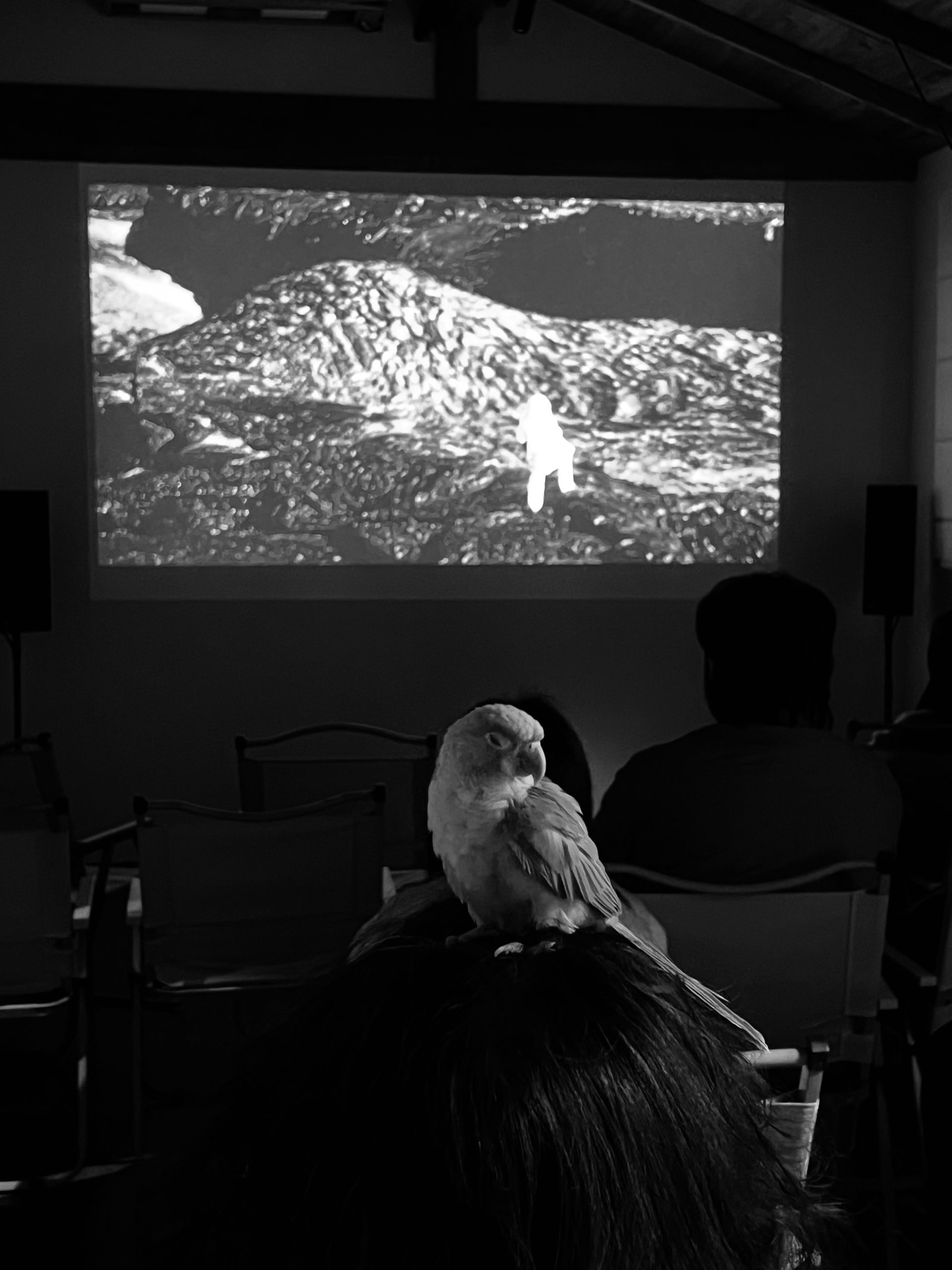
On December 27, CHERUBY presented a special event, The Night of the Minor Sun: Volcanic Images and Mulled Wine, conceived as an extension of the research pathways and methodologies explored in the current exhibition Coro de Soles Menores (Chorus of the Minor Suns).
In the exhibition at CHERUBY, artist Bárbara Sánchez-Kane approaches the volcano as a conceptual framework through which to examine the relationships between the body, movement, and structures of power. Rather than treating the volcano as a static natural object, she understands it as a constantly shifting system—one that connects scientific inquiry with myth, ancestral experience, and spiritual knowledge, challenging singular modes of interpretation.
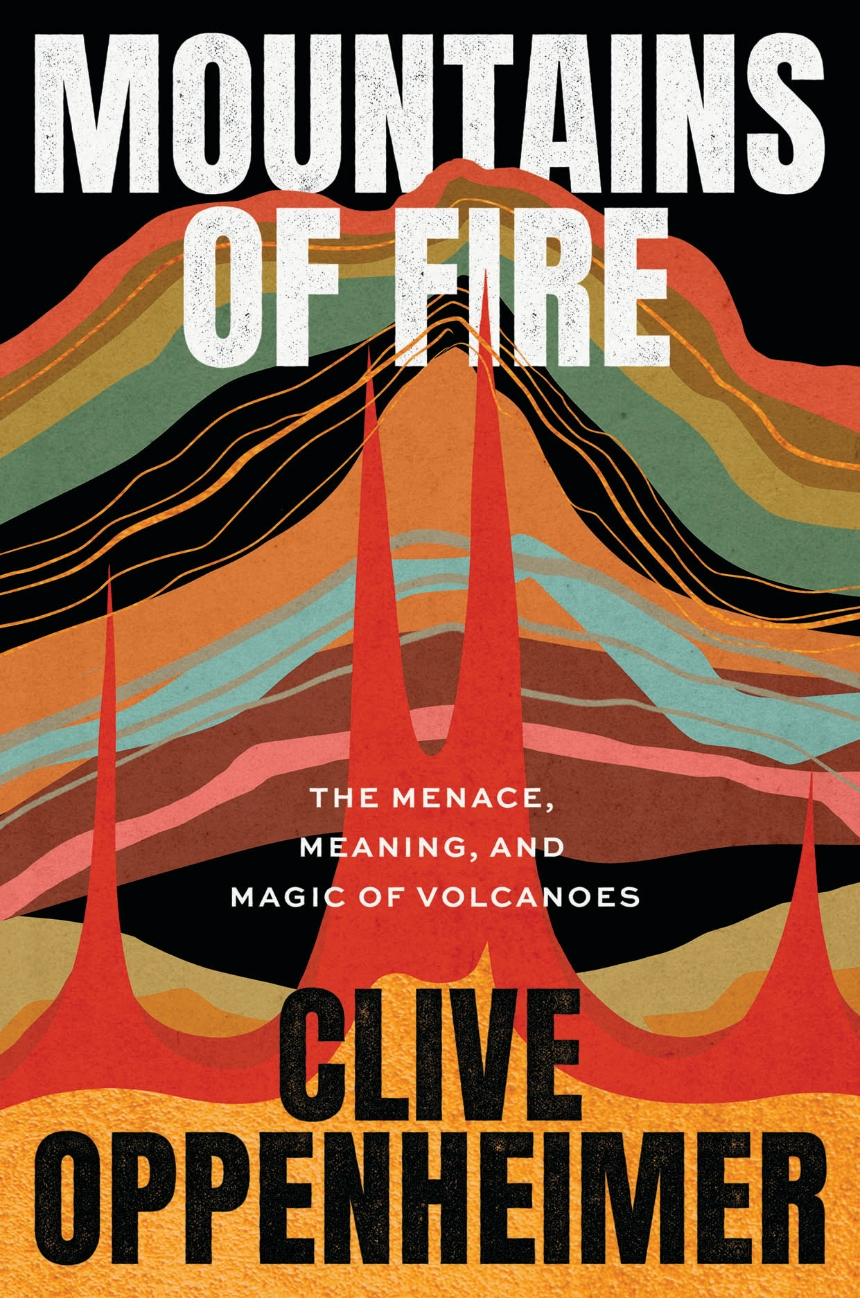
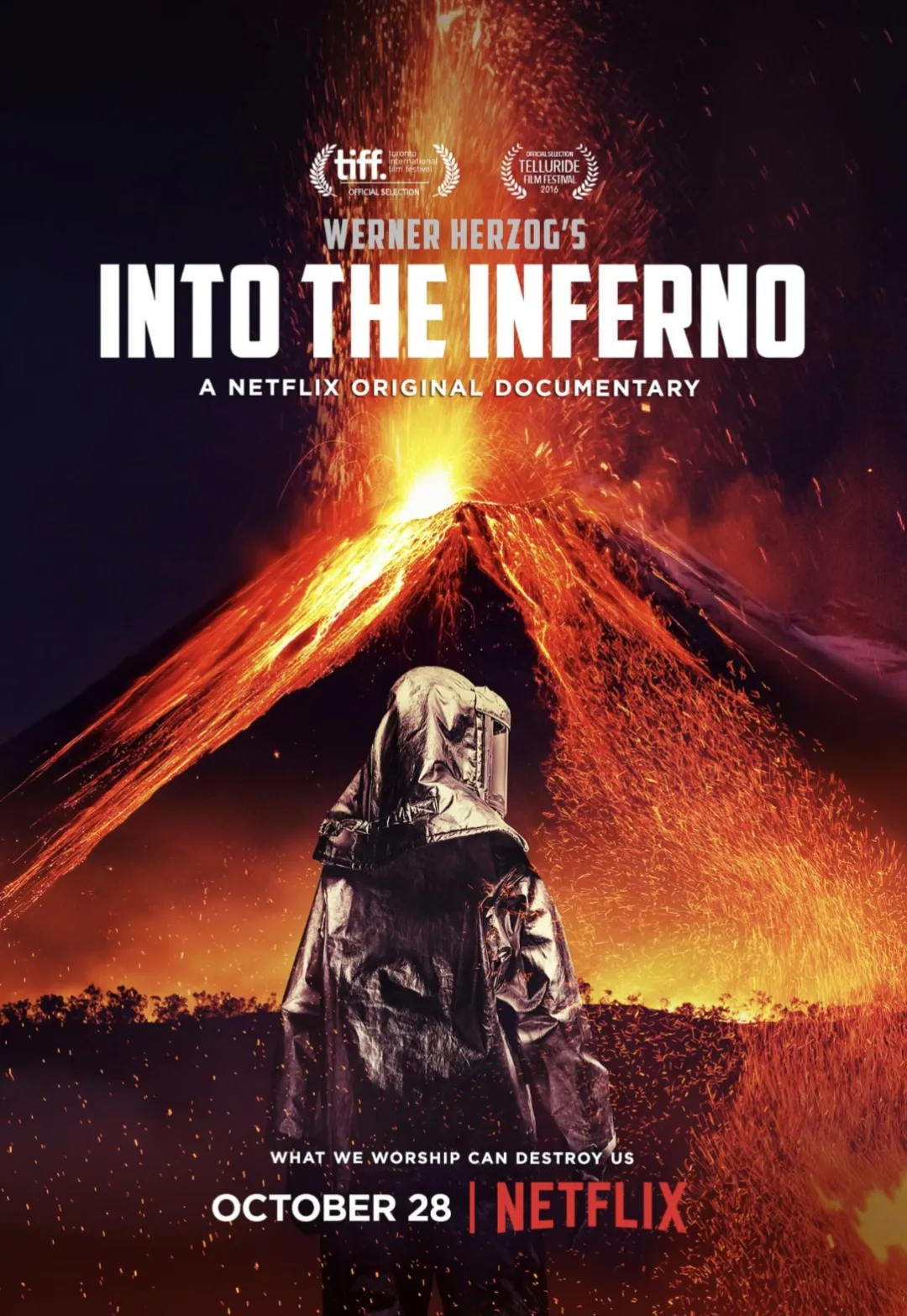
The event centers on Werner Herzog’s documentary Into the Inferno, developed through Herzog’s collaboration with volcanologist Clive Oppenheimer, author of Mountain of Fire. Filmed across volcanic regions around the world, the documentary explores how volcanoes profoundly shape the cultures, belief systems, and everyday lives of nearby communities. Sánchez-Kane’s residency and exhibition are deeply informed by Oppenheimer’s research approach. In Mountain of Fire, Oppenheimer places rigorous geological research alongside cultural, anthropological, and belief-based perspectives, presenting volcanoes as sites where natural processes intersect with social meaning. Herzog and Oppenheimer’s Into the Inferno, likewise, moves between geology, culture, and religion, visiting active volcanoes to examine how volcanic landscapes influence human belief structures and social formations. This shared research logic resonates closely with the exhibition, while the event creates a dialogue between moving image and exhibition space to further explore volcanic themes.
Into the Inferno (2016) is a documentary directed by Werner Herzog, in collaboration with volcanologist Clive Oppenheimer, that explores active volcanoes around the world. The film documents their field investigations in Vanuatu, Indonesia (including Sinabung and Merapi), Ethiopia (Erta Ale), Iceland, and Mount Paektu in North Korea, examining how volcanoes shape the ecology, culture, and belief systems of surrounding communities. Local residents, scientists, and religious figures are interviewed, revealing the significance and stories of volcanoes across different cultures. Herzog’s central aim is to understand the origins and essence of the Earth and humanity through the study of volcanoes. The film premiered globally on September 3, 2016, at the 43rd Telluride Film Festival.
Werner Herzog, born in 1942, is a German director, screenwriter, producer, and narrator. He is a key figure of the German New Wave and has created numerous feature films and documentaries over several decades, exploring themes of humanity, nature, and extreme environments. Herzog is particularly interested in how humans encounter the world, history, and natural forces. His works include Aguirre, the Wrath of God, Fitzcarraldo, and Grizzly Man. As a documentarian, he often focuses on extreme environments, from Antarctica to the heart of volcanoes, investigating the complex relationship between humans and nature. In 2016, Herzog and volcanologist Clive Oppenheimer co-created Into the Inferno, capturing active volcanoes globally from both geological and cultural perspectives.